Parking suspension and van permit rules for Holland Park removals
If you are planning a move in Holland Park, the parking side of things can make or break the day. The actual packing might be sorted, the lift booked, the kettle still somehow packed in a "safe place", but if the van cannot stop legally near the property, the whole schedule starts wobbling. That is why understanding Parking suspension and van permit rules for Holland Park removals matters so much. In a busy part of West London, a few parking details can save you from stress, penalties, and those awkward minutes where everyone stands on the pavement wondering what to do next.
This guide explains how parking suspensions and van permits typically work, why they matter for removals, what mistakes people make, and how to plan a cleaner, calmer moving day. You will also find a checklist, a comparison table, and a practical example based on the kind of move people face around Holland Park every week.
Why Parking suspension and van permit rules for Holland Park removals Matters
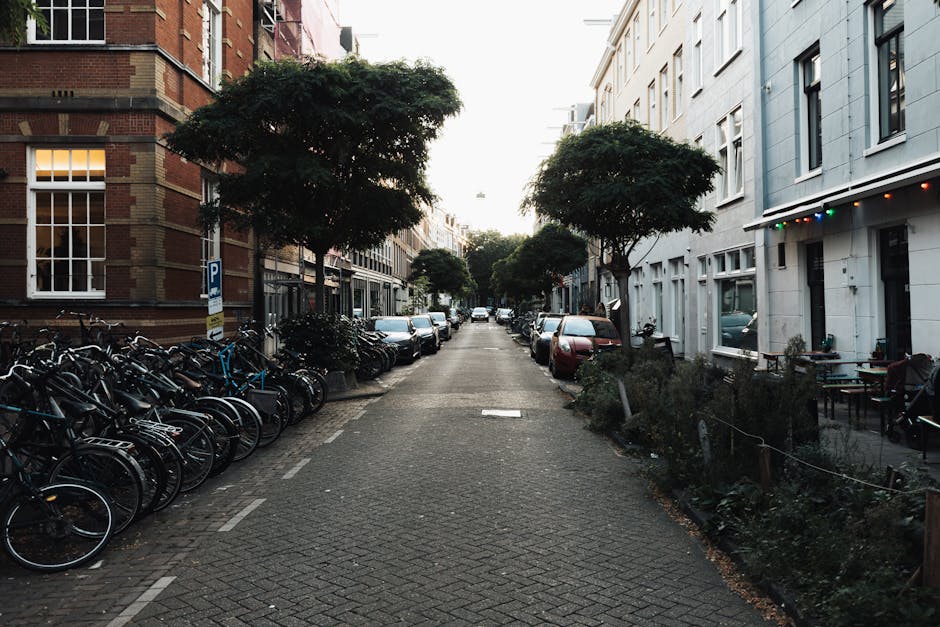
Holland Park is a beautiful place to live, but it is not the easiest place to load a van. Streets can be narrow, bays can be busy, and parking controls are often tightly managed. On moving day, even a short delay can ripple through the rest of the schedule. A crew waiting for space outside the property is not just annoying; it can make loading slower, increase lifting distance, and add avoidable pressure to everyone involved.
For removals, parking rules matter for three simple reasons: access, time, and compliance. Access means the van can get close enough to your front door to move furniture safely. Time means you are not burning the clock while the driver circles the block. Compliance means you avoid penalties or enforcement action that can quickly turn a move into a very expensive morning.
There is also a human side to this. I have seen plenty of moves where the boxes are ready by 8am, the team is on time, and then the only thing missing is a legal place for the van to stop. It sounds small. It is not small. The whole day can hinge on it. Truth be told, parking is often the quiet hero of a smooth removal.
If your move involves storage as well as transport, it can help to think about the full chain of logistics. A move that finishes with items going into self storage, a short-term storage unit, or even a removals and storage arrangement still needs the same parking discipline at the collection point. One weak link, and the rest feels harder than it should.
How Parking suspension and van permit rules for Holland Park removals Works
In practical terms, parking suspension and permit rules are about giving a removals van a legal and workable place to stop. In London, that usually means checking whether the road has controlled parking bays, waiting restrictions, loading-only areas, or temporary suspensions in place. The exact process can vary by street, landlord, building management, and local authority arrangements, so it is worth treating each address as its own case.
A parking suspension is usually a temporary restriction that removes normal parking rights from a specific section of road. That space may be reserved for works, deliveries, removals, or other authorised activity. A van permit, on the other hand, is often used to allow a commercial or removals vehicle to park or load in certain controlled areas. The important thing is that these are not interchangeable in every situation. A permit does not always override every restriction, and a suspension does not automatically give you free rein everywhere nearby.
For removals, there are usually four practical layers to check:
- The property side: whether the building, concierge, or landlord has its own rules for access, loading bays, or time slots.
- The street side: whether the road has yellow lines, resident bays, pay-and-display bays, or loading restrictions.
- The enforcement side: whether a temporary suspension or permit is needed to legally stop the van close to the address.
- The vehicle side: whether the van size, weight, and access needs are suitable for the street.
There is a very real difference between a quick house move and a more involved job such as flat removals or office removals. For flats, parking may be tight and stair access can slow down the process, which makes legal stopping space even more valuable. For offices, loading windows can be stricter and there may be more equipment, so a little planning goes a long way.
A good removals plan in Holland Park often starts with a simple question: where will the van legally sit while everything is being moved? If the answer is unclear, the rest of the move is still half-baked. Not ideal.
Key Benefits and Practical Advantages
Getting parking rules sorted before moving day is not just about avoiding a fine. It creates a cleaner, safer, and more predictable move. That is the real advantage. When the van is properly positioned, everything else tends to flow better.
- Less physical strain: shorter carrying distances reduce the risk of dropped items, bumped walls, and exhausted movers.
- Faster loading: the team can work methodically instead of shuttling furniture from half a street away.
- Lower stress: you are not spending the morning bargaining with a parking situation that was never going to be your friend anyway.
- Better time control: permits and suspensions help prevent lost time caused by moving the van repeatedly.
- Reduced enforcement risk: fewer chances of tickets, objections, or being forced to relocate mid-load.
- Cleaner access for larger items: wardrobes, sofas, bed frames, and office furniture are much easier to manage with close van access.
There is a ripple effect here. If the parking is sorted, you are often able to combine the move with packing support, secure storage, or even a staged relocation. Many people use packing services to keep the day moving, then place non-essential items into secure storage until the new home is ready. It sounds simple because it is simple, once the parking piece is under control.
Expert summary: In Holland Park removals, parking planning is not an admin task at the end of the list. It is part of the removal itself. If the van cannot stop properly, your move is already working harder than necessary.
Who This Is For and When It Makes Sense
This topic matters to more people than you might think. It is not only for large house moves or property managers. If a vehicle needs to stop near your address and the street is regulated, the rules matter.
You should pay particular attention if you are:
- moving from a house or apartment in Holland Park
- relocating into a managed block with loading restrictions
- using a larger removals van or luton-style vehicle
- moving office furniture, archive boxes, or equipment
- booking a same-day move with tight timing
- combining removals with storage or split-delivery logistics
- arranging a man-and-van job where street access is limited
It is also relevant if you are a landlord, letting agent, concierge, or building manager trying to coordinate a resident move without chaos at the kerbside. And yes, those moves do get chaotic. A van across the wrong bay for ten minutes can irritate neighbours, delay contractors, and make everyone feel a bit frazzled before lunch.
For smaller moves, the parking question still matters. A small removals job might use a smaller van, but if the street is tightly controlled, even a compact vehicle needs the right stopping place. The same goes for students, who often underestimate how quickly a few suitcases, a desk, and a mattress can become a parking problem. If that sounds familiar, student storage can make the whole thing less frantic.
Step-by-Step Guidance
Here is the simplest way to handle parking suspension and permit planning for a Holland Park move without overcomplicating it.
- Check the exact address and street layout. Do not assume the road outside the flat is usable just because it looks free at 7am. A bay can be restricted, a yellow line can still be active, and some spaces are far more controlled than they appear.
- Confirm what the building allows. Managed buildings may have service entrances, booking rules, or loading bay windows. If there is a concierge, ask early. If there is a residents' association, ask even earlier. It saves a lot of back-and-forth.
- Match the vehicle to the access. A large van may be fine on paper but awkward in practice if the road is tight. If the access is especially awkward, a man and van option may be more suitable than a larger vehicle.
- Clarify whether a permit, suspension, or both are needed. Some locations need a temporary suspension for loading space, while others rely on a permit to occupy a controlled bay. Sometimes the answer is neither. Sometimes it is both. Annoying, but true.
- Build in lead time. Parking arrangements are rarely something to leave until the night before. In busy parts of London, early planning is the difference between calm and chaos.
- Share the plan with everyone involved. The removals crew, driver, building manager, and customer should all know where the van is meant to stop and what the backup plan is if the space is unavailable.
- Prepare a fallback option. If the closest bay is not accessible, know where the van can safely wait and how far items would need to be carried.
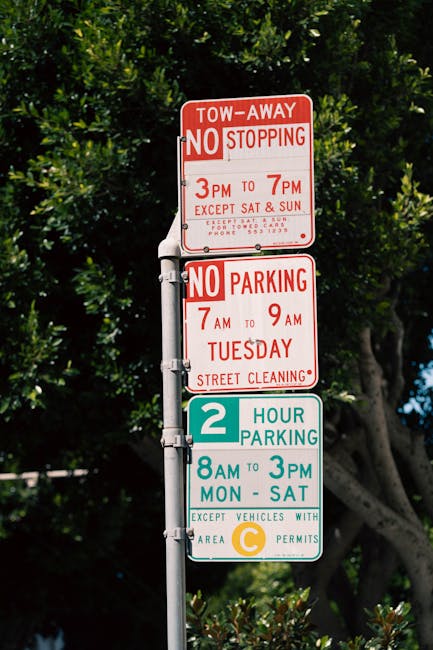
A small but useful habit: take photos of the street, the loading point, and any signs before moving day. It is not glamorous, but it helps if there is confusion later. A quick photo on your phone can beat a long argument with a distracted look at a parking sign. Been there, seen that.
If you are also arranging a broader relocation, consider reading about local removals and removals to understand how access, timing, and vehicle choice fit together. And if your move is tied to a new home, house removals guidance can help you think through the wider sequence rather than just the parking slot.
Expert Tips for Better Results
A few practical tips can make a surprisingly big difference. These are the kinds of small adjustments that turn a difficult day into a manageable one.
- Start with the hardest address. If one property has tricky access, sort that first and work backwards.
- Keep the loading window realistic. Do not squeeze a full house move into a narrow time slot just because it looks neat on a calendar.
- Protect the walk route. If the van cannot park directly outside, clear the internal path so people are not weaving around lamp stands, plants, or loose bags.
- Use one person to manage access. It sounds basic, but having a single point of contact reduces crossed wires when the driver needs a quick decision.
- Confirm where the van may wait. If the main space is blocked, the backup waiting place should still be legal and sensible.
- Think about weather and lighting. Early morning rain, low winter light, and wet pavements make longer carries feel even longer. London does love a damp moving day, doesn't it?
For bigger or more delicate jobs, packaging and handling matter as much as parking. A move involving antiques, heavy furniture, or business equipment may be better supported by furniture storage or even a staged approach with removals and storage. That way, you are not rushing everything through a single narrow doorway while someone is waving at a parking issue outside.
And one more thing: if you are unsure whether a vehicle can legally wait in a certain place, do not guess. Guessing is expensive. Very expensive sometimes.
Common Mistakes to Avoid
Most parking problems during removals come from avoidable assumptions. The move itself may be complicated, but the mistakes are often pretty simple.
- Assuming "free space" means "legal space". A clear patch of road is not always available for removals.
- Leaving permit checks too late. This is probably the most common issue. People remember the boxes before they remember the bay rules.
- Using the wrong vehicle size. A van that is too large for the access can create more problems than it solves.
- Forgetting building restrictions. Some apartments, conversions, and managed blocks have very specific access rules.
- Not planning for a backup stop. If the main location is unavailable, improvising on the day usually costs time.
- Overlooking nearby traffic flow. A legal stop is not much help if the van blocks a turning point or causes avoidable disruption.
- Failing to brief the moving team. If the driver knows the access plan but the rest of the crew does not, confusion can creep in fast.
One slightly unglamorous reality: parking mistakes often snowball. The team carries items further, the stairs take longer, the van leaves later, and suddenly the whole day is behind schedule. That is why the parking question deserves real attention, not just a quick glance.
Tools, Resources and Recommendations
You do not need a stack of specialist tools, but a few practical resources make life easier:
- Site photos: take clear pictures of the road, bay signs, and entrance points.
- A written access note: include gate codes, parking instructions, lift booking times, and any building contact details.
- A floor plan or move plan: useful for larger flats and offices where furniture needs sequencing.
- A simple checklist: keep one place for all access and parking details so nothing gets lost in a text chain.
- Flexible storage options: if access is tight, it can help to move non-urgent items first into household storage or long-term storage.
There is also value in using services that understand the practical side of moving around West London. A team that regularly handles local removals and can plan for tight streets is likely to anticipate the kind of parking bottlenecks that catch others out. If business records or equipment are involved, business storage and document storage can help keep the move tidy and staged.
For most people, the best recommendation is simple: map the parking problem before move day, not during it. That one shift in timing makes the process feel far more manageable.
Law, Compliance, Standards, or Best Practice
Parking suspensions and van permit rules sit within wider UK parking and highway management practices, so the safest approach is to treat them carefully and check the details for the specific street and move date. Rules can vary by borough, by road, and sometimes by the type of vehicle involved. Because of that, this article avoids pretending there is one universal rule for every Holland Park address. There usually is not.
From a best-practice point of view, the key principles are straightforward:
- Follow the signage and local controls on the day. Temporary notices, suspended bays, and loading restrictions should always be treated as live instructions.
- Use accurate vehicle information. A permit or suspension request may depend on the size and purpose of the van.
- Allow reasonable time for approval or booking. Even where the process feels routine, timing matters.
- Keep evidence of arrangements. Confirmation notes, booking details, and access messages can help if anything needs checking later.
- Prioritise safety as well as compliance. A legal parking position that creates a dangerous carry route is not a win.
It is also worth remembering that removals professionals have their own operational standards to think about. Good practice usually means planning access, protecting property, and handling items in a way that reduces risk. If you want to understand the broader approach to safety and handling, the site's health and safety policy and insurance and safety information can help frame the expectations around careful, responsible service. That kind of clarity matters, especially when heavy lifting meets a tight parking space.
Options, Methods, or Comparison Table
Different moves call for different approaches. The right parking or access plan depends on the street, the vehicle, and how much needs shifting.
| Approach | Best for | Pros | Watch-outs |
|---|---|---|---|
| Parking suspension | Where the van needs a dedicated stop directly outside or close by | Creates controlled access and reduces uncertainty | Needs lead time and accurate location details |
| Van permit | Controlled parking areas where authorised loading is allowed | Can be practical for regular access or loading | May not override every restriction |
| General loading only | Shorter, lighter moves with straightforward access | Simple when the street allows it | Risky if the stop is not clearly permitted |
| Staged move with storage | Tight access, larger homes, or split move-in dates | Reduces pressure on moving day and helps with timing | Needs more planning and usually extra handling |
| Smaller vehicle / man and van | Narrow streets or light loads | Easier access and often more flexible parking | May need more trips if volume is larger |
In many Holland Park moves, the smartest option is not the largest van, but the best-fit van. That sounds obvious after the fact, of course. Before the fact, people often want to optimise for "one trip only" and end up making access harder than it needs to be.
Case Study or Real-World Example
Imagine a two-bedroom flat move from a managed building near Holland Park. The client has a sofa, bed frames, boxes, and a few awkward items from the hallway cupboard that seem to multiply when nobody is looking. The building has a narrow frontage, and the street has active parking controls during the day.
Without any parking plan, the van might end up a short distance away, which sounds harmless until the crew realises every chair, box, and mattress now has to be carried around parked cars and along a longer pavement route. That slows the whole thing down. The move becomes more tiring, the lift booking is squeezed, and the occupants of the building start asking whether the van can "just move a little".
Now imagine the same move with proper planning. The access point is reviewed the day before. The crew knows whether a suspension or permit is needed. The vehicle is appropriate for the street. The client has cleared the pathway inside. The loading point is legal and close enough to reduce carrying distance. The result is not magic. It is just better preparation. But the difference can be huge.
This is also where storage can be useful. If the new place is not ready for every item at once, part of the load can go into short-term storage while the rest goes directly into the property. That way the parking arrangement is used efficiently instead of forcing a perfect all-at-once delivery in a tricky street.
Practical Checklist
Use this checklist before moving day. A few minutes spent here can save a morning of hassle later.
- Confirm the full pickup and drop-off addresses.
- Check whether the street has controlled parking, yellow lines, or loading restrictions.
- Ask the building or landlord about access rules and booking windows.
- Decide whether a suspension, permit, or different vehicle is needed.
- Measure or at least assess the access route for larger items.
- Share gate codes, entry instructions, and contact numbers with the removals team.
- Prepare a backup parking location if the first choice is unavailable.
- Take photos of signs and the loading area.
- Separate essential items so they are easy to reach first.
- Keep a written record of any parking or access confirmations.
If you are moving a business, add office-specific items to the list: building reception instructions, lift reservations, and the sequence for IT equipment or archive boxes. In those cases, office storage can be a very handy bridge between addresses, especially when timing is a bit messy.
Conclusion
Parking suspension and van permit rules for Holland Park removals may sound like a small admin detail, but in real life they shape the whole day. They affect how close the van can stop, how safely the team can work, how long the move takes, and whether you avoid penalties or unnecessary delays. Get the access plan right, and everything else feels lighter. Get it wrong, and even a straightforward move can become oddly exhausting.
The good news is that most parking problems are avoidable with a bit of planning, a sensible vehicle choice, and clear communication. That is especially true in a place like Holland Park, where the streets are lovely but not always forgiving. Whether you are moving a flat, a house, or a small business, the smartest first step is usually the least glamorous one: checking the road.
Get a free quote today and see how much you can save.
And if you are still weighing up the logistics, start with the access question. Once that is answered, the move suddenly looks much less daunting. Sometimes that is all it takes.
Frequently Asked Questions
Do I need a parking suspension for a removals van in Holland Park?
Not always. It depends on the street, the parking controls in place, the size of the van, and whether there is a legal loading space nearby. In some situations a permit is enough; in others, a suspension is more appropriate. The safest approach is to check the specific address and not assume the first free space is usable.
What is the difference between a parking suspension and a van permit?
A parking suspension temporarily removes normal parking rights from a section of road, usually to reserve space for authorised use. A van permit is typically an authorisation for a vehicle to park or load in a controlled area. They serve different functions and do not always mean the same thing.
How far in advance should I sort parking for a Holland Park move?
As early as possible. Parking arrangements can involve lead time, especially where access is tight or the street is heavily controlled. Leaving it until the last minute is one of the most common reasons removals run late.
Can a removals van stop on double yellow lines for loading?
Sometimes loading activity is treated differently from parking, but the rules are specific and can vary by location and time. You should never assume it is allowed. Always check the local restrictions and the exact circumstances before relying on that option.
What if the van cannot park right outside my property?
Then the team may need to park further away and carry items a longer distance, which takes more time and effort. If access looks awkward, consider a smaller vehicle, a different loading point, or storage to reduce the amount moved in one go.
Are parking rules different for flats and houses?
They can be. Flats often involve managed access, loading windows, and tighter kerbside conditions, while houses may have slightly more straightforward access but still face street controls. In practice, flats usually need a bit more planning.
What should I tell the removals team before moving day?
Share the full address, parking details, any building access rules, gate codes, lift bookings, and the best contact number on the day. If there is a backup parking spot, mention that too. It sounds basic, but it prevents a lot of confusion.
Is a man and van service better for tight Holland Park streets?
Often yes, if the load is modest and access is tight. A smaller vehicle can be easier to position and may create fewer parking headaches. For a more complex job, though, vehicle choice should match the volume and the access route, not just the street width.
What happens if parking is not arranged properly?
The van may need to park farther away, loading can take longer, and you may face enforcement issues if the vehicle is in a restricted space. That can create delays, extra work, and avoidable cost. It is one of those problems that looks minor until it isn't.
Can storage help if parking and access are difficult?
Yes. Using short-term or longer-term storage can make a move much easier when the new property is not ready or the access is too tight for everything to be delivered at once. It also helps you split the move into stages, which can feel much more manageable.
What is the best first step if I am unsure about the parking rules?
Start by checking the exact street and building access conditions, then confirm what kind of vehicle will be used. If the situation is still unclear, choose the more cautious option. A cautious plan is usually cheaper than a rushed one.
Does office moving need the same parking planning as a home move?
Yes, and sometimes more so. Office moves often involve loading windows, building management rules, equipment handling, and fixed handover times. Parking planning becomes part of the business continuity plan, not just the transport plan.