Melbury Road removals tips for moving antiques and framed art
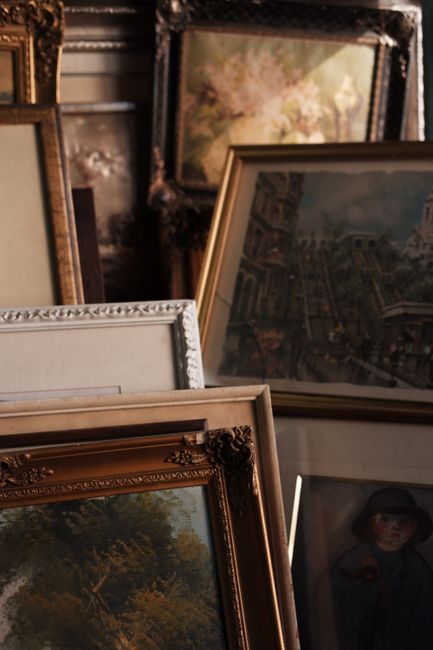
If you are planning a move on or around Melbury Road, you already know this is not a "throw everything in boxes and hope for the best" kind of job. Antiques, gilt-framed mirrors, oil paintings, and delicate prints need a calmer, more deliberate approach. The good news? With the right Melbury Road removals tips for moving antiques and framed art, you can protect the things that matter most and avoid those horrible little surprises on move day.
In this guide, we will walk through practical packing methods, handling advice, storage considerations, and the common mistakes that catch people out. You will also see where professional support can make life easier, especially if you are dealing with narrow access, period properties, or items that simply do not forgive rough handling. To be fair, a scratched frame or chipped veneer is the sort of thing you only notice once the van has gone. Better to avoid that altogether.
Whether you are moving a single heirloom side table or a whole wall of framed art, the aim is the same: keep every piece stable, protected, and easy to identify when it arrives. Small details matter here. A bit of prep saves a lot of stress later.
Why Melbury Road removals tips for moving antiques and framed art Matters
Moving antiques and framed art is different from moving everyday furniture. Ordinary items can often cope with a bit of vibration, a tight doorway, or a box that is not quite packed perfectly. Fragile decorative pieces usually cannot. Old wood can split, joins can loosen, glass can crack, and artwork can be damaged by pressure, moisture, dust, or sudden movement.
That matters even more in a place like Melbury Road, where many homes have character features, tight corridors, stair turns, and valuable collections built up over years. The setting itself can add difficulty. Hallways may be narrow, parking may be awkward, and carrying bulky or awkwardly shaped items through the property may take more time than people expect. It is rarely just about the van.
There is also a financial and emotional side. An antique writing desk might be replaceable in theory, but not in the way it feels after a family move. A framed print from a first home, or a painting inherited from a relative, can carry meaning that has nothing to do with market value. That is why careful removals planning makes sense. It protects value, preserves condition, and reduces the chance of regret.
And let's face it, the "I'll just wrap it in a duvet" approach is not a strategy. It may work for a pillow. Not for a 19th-century frame with loose gilding.
Expert summary: The safest move is rarely the fastest one. For antiques and framed art, the goal is controlled handling, good packing, sensible labelling, and the right order of loading and unloading. If any part of that chain is rushed, risk goes up quickly.
For nearby moves, it can also help to plan around the local street layout and timing. If you are combining this with a short move or a multi-stop relocation, services such as local removals or removals and storage may give you more flexibility than a single same-day load-and-drop arrangement.
How Melbury Road removals tips for moving antiques and framed art Works
The process works best when you treat it like a sequence rather than one big packing day. First you assess what needs special care. Then you gather the right materials. After that, you pack each item according to shape, weight, fragility, and finish. Finally, you load and unload in a way that keeps the items stable and easy to access.
With antiques, the type of finish matters. French polish, lacquer, veneer, marquetry, marble tops, and hand-cut joints all behave differently under pressure or temperature changes. Framed art has its own issues too. Frames may be deeper than they look, glass may be old, and backing boards may not be firmly fixed. A painting on canvas might need different support from a framed photograph behind glass.
In practice, you should think in layers:
- Protection layer: tissue, glassine, corner guards, blankets, or foam
- Stability layer: strong boxes, crates, bookwrap, and straps where suitable
- Identification layer: clear labels, room markers, and "fragile" notes used sensibly
- Handling layer: enough people, right lifting technique, and a clear route
Many moves also benefit from temporary storage. If you need space while decorating, waiting for completion, or staging items in stages, using secure storage or short-term storage can reduce the pressure on move day. That breathing room is often underrated. You notice the difference as soon as the first awkward item is out of the way.
If the collection is especially valuable, you may want to pair packing with professional support through packing services. It is not just about saving time. It is about consistency. The same careful method, every time.
Key Benefits and Practical Advantages
Good handling does more than prevent damage. It makes the whole move calmer, quicker, and far easier to manage. That is often the real win.
- Lower risk of damage: Proper wrapping and spacing reduce scratches, dents, chipped frames, and broken glass.
- Better organisation: Clear labels make unpacking less chaotic. You know what goes where, and what needs attention first.
- Faster unloading: When art and antiques are grouped sensibly, the crew can place them safely without stopping every few minutes.
- Less stress: A well-planned move feels controlled. You are not hunting for tape or wondering where the largest mirror went.
- Improved storage outcomes: Items packed correctly are safer if they need to sit in storage for a week or longer.
- Cleaner insurance trail: Inventories and photos make it easier to evidence condition before and after transit.
There is a practical knock-on benefit too. People often assume "fragile items" means "more time, more trouble, more cost." Sometimes yes. But the right preparation can actually avoid wasted hours. No rewrapping. No double handling. No last-minute panic because the largest canvas will not fit through the lift. That alone is worth its weight in bubble wrap.
For customers who want a blended move, combining house removals with a short stop at furniture storage can make the schedule more manageable, especially if decoration or access timing is uncertain.
Who This Is For and When It Makes Sense
This advice is useful for anyone moving cherished or high-value pieces, but it becomes especially relevant in a few common situations.
- Collectors: If you own antique furniture, ceramics, framed prints, or paintings, you need a careful system rather than a general-purpose move.
- Homeowners in period properties: Older buildings often mean tighter stairs, uneven floors, and awkward turning points.
- Downsizers: When moving into a smaller home, every piece needs to be assessed for size, fragility, and placement.
- People moving after renovation: Dust, paint, and trades activity can be risky for delicate surfaces if items are left unprotected.
- Landlords or executors: Estate contents and inherited pieces may need cataloguing, storage, and careful onward transport.
- Gallery-style homes: If your walls are full of framed work, moving those pieces safely becomes a job in its own right.
This also makes sense when you have timing pressure. For example, if one property is not ready, or if the new place still needs protection works, storing the art and antiques first can be the safer choice. A move does not have to be one straight line from A to B. Sometimes it is A to storage, then B later on. Nothing wrong with that.
For people balancing access constraints or limited loading time, the flexibility of mobile self storage or a smaller vehicle option such as man and van can be worth considering, depending on the volume and the level of care needed.
Step-by-Step Guidance
Here is a practical way to approach the move without turning it into a marathon.
1. Make a detailed inventory
List each antique and framed item before anything is wrapped. Note size, finish, visible marks, loose joints, chips, and whether the item has glass, glazing, or protruding parts. A quick phone photo from the front, back, and corners is often enough. If there is an existing scratch, record it. You will thank yourself later.
2. Separate by material and fragility
Wood, glass, canvas, metal, porcelain, and mixed-material pieces do not travel the same way. Group items that need similar protection. For example, framed prints can often be wrapped in a lighter way than old paintings with brittle frames.
3. Prepare the right packing materials
Use strong double-walled boxes where appropriate, acid-free tissue for sensitive surfaces, glassine for prints or artwork surfaces where suitable, bubble wrap for cushioning, corner protectors, packing paper, tape, and furniture blankets. Avoid putting tape directly on artwork, varnished surfaces, or delicate finishes. It sounds obvious. People still do it.
4. Protect corners and edges first
Corners take the brunt of knocks. Wrap them before anything else. For framed art, use corner guards and then wrap the full piece. For antiques with carved details or handles, add padding around protrusions so nothing catches on the way through a doorway.
5. Use the right wrapping method
For framed art, place a sheet of protective material over the front, then wrap the whole piece without compressing the frame face. If the glass is brittle or valuable, extra rigid support may be needed. For antiques, pad surfaces, then add a blanket or wrap that holds the item snugly but does not crush decorative features.
6. Build in movement control
The item should not rattle inside its box or blanket wrap. If it moves, add more cushioning. Movement is what causes most damage in transit, not just the bumps you can feel.
7. Label clearly and simply
Mark each item with the room it should go to, the upright direction, and any special instruction such as "this side up" or "two-person lift." Keep the wording human and direct. No need for a novel on the box.
8. Plan the load order
Heavy, stable items should be secured first. Delicate pieces should not be buried where other things can shift against them. If the move involves mixed loads, the art and antiques should be placed where they are less likely to be squeezed. Sometimes that means loading them last and unloading them first. Simple, but easy to overlook.
9. Check the route before moving anything
Look at doors, stair angles, hall turns, and anything sticking out such as railings or light fittings. On a street-level move this can still matter, because a piece may be fine in the room but awkward in the corridor. You do not want to discover that at the last second while everyone is already sweating a bit.
10. Unpack with the same care
Do not rush the arrival. Unwrap items on a clean, stable surface. Inspect corners and surfaces before placing the piece. If there is any sign of damage, photograph it immediately and keep the wrapping until you are sure everything is fine.
Expert Tips for Better Results
There are a few habits that consistently improve outcomes, and they are not complicated.
- Use two people for awkward pieces. A large framed mirror or marble-topped table is rarely a solo job, even if it looks manageable at first glance.
- Keep moisture away from artwork. Wet tape, damp blankets, and condensation can all cause issues, especially with paper or canvas.
- Do not overwrap surfaces that need air. Some antiques benefit from protection without being sealed in thick non-breathable layers for long periods.
- Take apart what can safely be dismantled. Remove loose shelves, drawers, detachable legs, or hanging fixtures if a qualified person can do so safely.
- Keep screws and fittings in labelled bags. Put them with the same item, not in a mystery pile in the kitchen.
- Use rigid support for glass-fronted items. A soft wrap alone may not stop flexing.
A useful rule of thumb: the more fragile or older the item, the more you should prioritise stability over speed. It sounds a bit obvious, but move day has a habit of turning common sense into a luxury.
If you are unsure about loading sequence or access, it may be worth discussing small removals or flat removals options, especially where the volume is modest but the items themselves are delicate. Those formats often suit art and antiques surprisingly well.
Common Mistakes to Avoid
A lot of damage happens through small, ordinary errors rather than dramatic accidents. That is the frustrating part.
- Wrapping too tightly: Pressure can damage frames, dent surfaces, and stress old joints.
- Using the wrong tape: Direct tape contact on finishes can leave residue or lift material.
- Packing art flat without support: Some pieces should remain upright and supported, not stacked under weight.
- Mixing heavy and delicate items: A small box is not automatically a safe box if it contains mixed materials.
- Skipping an inventory: If anything goes missing or is damaged, you need a clear record of what was moved.
- Ignoring access issues: A beautiful packing job means little if the route into the property has not been planned.
- Leaving valuable items until last minute: This is the classic one. Suddenly the room is empty, the clock is moving, and nobody can find the right blanket.
Another common slip is assuming every item needs the same label. In reality, a mirror, a canvas, and an antique side cabinet need different handling notes. Tailor the labels. It saves confusion later, honest.
Tools, Resources and Recommendations
The right kit makes the job much easier. You do not need a warehouse full of specialist equipment, but a few basics go a long way.
| Item | Best use | Why it helps |
|---|---|---|
| Acid-free tissue | Delicate surfaces and artwork | Reduces surface contact and helps protect finishes |
| Corner protectors | Frames and furniture edges | Reduces impact on the most vulnerable points |
| Furniture blankets | Antiques and larger pieces | Adds padding without excessive pressure |
| Double-walled boxes | Fragile smaller items | Offers stronger structural support |
| Glassine or paper wrap | Prints and art surfaces | Helps protect against scuffs and dust |
| Marker pens and labels | Inventory and room marking | Keeps unpacking organised |
| Straps and load restraints | Vehicle securing | Limits shifting during transit |
On the service side, you may find it useful to combine transport with household storage or long-term storage if you are not moving into the final property straight away. That gives you room to separate fragile items from the rest of the household load.
If you are comparing support levels, removals is the broadest option, while packing services can help if you want the delicate pieces wrapped by people who do this sort of thing day in, day out. For smaller collections or single statement pieces, that extra care can be worth it.
Law, Compliance, Standards, or Best Practice
For most domestic moves, there is no special legal rule just because you are moving antiques or framed art. But there are still important best-practice expectations worth following. Good movers should handle items carefully, communicate clearly, and use sensible safety procedures during lifting, carrying, loading, and parking.
If the move involves shared access, parking restrictions, or narrow residential streets, you may need to plan around local permit requirements and loading restrictions. In London, that can become a real issue quickly, so it is worth checking in advance rather than hoping for the best. A van that cannot stop safely is a move that starts badly.
Insurance is another area to look at properly. Check what is covered, what exclusions apply, and whether high-value items need to be declared separately. It is better to ask a slightly awkward question now than have a much bigger conversation later. Keep your inventory, photos, and any condition notes together.
For business or estate moves, documentation matters even more. If you are storing or moving items on behalf of others, keep records clean, consistent, and easy to trace. Our advice is simple: treat every valuable piece as though you may need to prove its condition on arrival. Because sometimes, you might.
If you want to understand service terms, timings, and what a provider can realistically take responsibility for, it is sensible to review terms and conditions, insurance and safety, and health and safety policy before booking. Those pages are not glamorous, admittedly, but they are the kind of reading that saves headaches.
Options, Methods, or Comparison Table
There is no single best method for every antique or artwork. The right approach depends on fragility, size, budget, and whether the item is going straight to the new home or into storage first.
| Method | Best for | Pros | Trade-offs |
|---|---|---|---|
| Self-packing | Confident owners with a few manageable pieces | Lower upfront cost, full control | Higher risk if materials or technique are poor |
| Professional packing | Valuable or awkward items | Consistent method, less stress | Costs more than doing it yourself |
| Man and van | Smaller moves or single-item transport | Flexible and practical | May be less suitable for complex collections |
| Full removals service | Whole-home moves with antiques included | More hands, broader support | Can be more expensive than a smaller transport option |
| Removal plus storage | Moves with timing gaps or renovations | Less pressure, more control | Needs extra planning and coordination |
As a rough guide, choose the simplest option that still gives the item the care it needs. If you have one framed print and a standard side chair, a smaller service may be enough. If you have multiple antique pieces, glass-fronted art, and an awkward access route, a more comprehensive approach is usually the better call.
Case Study or Real-World Example
Here is a realistic example. A couple moving from a first-floor property near Melbury Road had four framed oils, a heavy mirror, two antique side tables, and a small marble-topped console. Nothing huge, but each piece was fiddly in its own way.
Rather than boxing everything together, they split the job over two days. The paintings were photographed, wrapped with corner guards, and kept upright in a protected area. The mirror received rigid edge support and extra padding around the frame. The side tables were wrapped separately so carved legs did not catch on anything. The marble console was moved by two people with a clear route measured in advance.
They also used short-term storage because the new place was not ready for immediate delivery. That turned out to be the right call. The items spent a few days safely stored, then arrived after the decorators had finished. No dust. No rush. No panic in the hallway. Just a much calmer landing.
The key lesson? The move went well because the owners planned for the awkward parts before move day. Not because they were lucky. Luck is not a packing method.
Practical Checklist
Use this checklist before the moving day arrives.
- Make a written inventory of antiques and framed art
- Photograph each item from multiple angles
- Note chips, cracks, loose joints, or other existing marks
- Gather corner protectors, packing paper, blankets, tape, and sturdy boxes
- Separate glass-fronted items from solid furniture
- Decide which pieces need professional packing
- Measure doors, stairs, hall turns, and tight spaces
- Check whether parking or access planning is needed
- Label each item with room destination and handling notes
- Prepare storage if the new home is not ready yet
- Review insurance, terms, and any safety guidance
- Keep the most valuable or fragile items together in a clearly marked group
Quick reminder: if something feels too awkward to lift, too old to risk, or too valuable to improvise with, stop and re-plan. That pause can save the whole move.
Conclusion
Moving antiques and framed art is not about fancy packaging for its own sake. It is about reducing movement, protecting vulnerable edges, and making sure every piece gets from one address to the next in the same condition it left. That is especially true on a move where access, timing, and local street conditions can already make things a bit more complicated.
The best Melbury Road removals tips for moving antiques and framed art are the simple ones done properly: measure first, pack carefully, label clearly, and do not rush the handling. If you need storage, packing help, or a smaller tailored move, choose the service that fits the item rather than forcing the item to fit the plan.
And if you are standing in a room full of boxes wondering where to start, start with the most fragile thing and work from there. One careful step at a time. That is usually how the good moves happen.
Get a free quote today and see how much you can save.
Frequently Asked Questions
How do I move antiques without damaging them?
Start with a full inventory, then wrap each piece according to its material and shape. Use padding on corners, avoid direct tape on finishes, keep items stable in the vehicle, and do not stack heavy pieces on top of fragile ones. If the item is especially old or valuable, professional packing is usually the safer choice.
Should framed art be moved flat or upright?
It depends on the piece, but many framed items are safer upright with proper support, especially if they have glass. Flat transport can create pressure points if items are stacked. The main goal is to stop flexing, sliding, and impact at the edges.
What is the best way to pack a mirror for removals?
Protect the corners first, add a layer over the face, then wrap the whole mirror with cushioning that holds it firmly without pressure. A rigid outer layer is often helpful. Mirrors should be clearly marked as fragile and handled by more than one person.
Do I need special boxes for antiques?
Not always, but strong double-walled boxes or custom-sized containers are helpful for smaller fragile items. Larger antiques are usually better protected with blankets, padding, and secure load placement rather than forcing them into the wrong box size.
How far in advance should I prepare antique items for a move?
Ideally, a few days before move day. That gives you time to inspect, photograph, pack carefully, and solve access problems before the vehicle arrives. Leaving delicate items until the last minute is where mistakes creep in.
Can I store framed art before moving into the new home?
Yes, and in some cases it is the smartest option. Short-term or secure storage can give you flexibility if your property is not ready, decorators are still working, or you want to avoid keeping artwork in a damp or dusty environment.
Is it worth using professional packing services for antiques?
If the pieces are valuable, sentimental, or awkward to handle, yes. Professional packing can reduce risk and save time. It is especially useful for mixed collections where some items need much more care than others.
How do I know if my insurance covers antique furniture and art?
Check the policy wording carefully and ask what limits, exclusions, or declaration requirements apply. Some high-value items may need to be listed separately. Keep photos and an inventory so you can show what was moved and in what condition.
What should I do if my framed artwork has glass?
Treat it as a breakable item with both impact and flex risk. Use corner protection, secure wrapping, and careful upright placement. If the glass is old, brittle, or part of a valuable frame, extra rigid support is wise.
How can I move antiques through narrow hallways or staircases?
Measure the route first, remove obstacles, and assign enough people to guide the item safely. Sometimes the answer is to tilt, rotate, or dismantle part of the piece if that can be done safely. If the access is tight, planning matters more than strength.
What kind of removals service is best for a few fragile items?
For a small number of delicate items, a smaller move option or man and van service can be suitable, especially when combined with careful packing. If the items are very valuable or awkward, a fuller removals service may be more appropriate.
Can I combine removals with storage for antiques and art?
Yes. In fact, combining the two can make a difficult move much easier. It gives you time to finish the new property, manage renovations, or spread the move over stages instead of trying to do everything in one rushed day.
If you are planning a move in the area and want a calmer, more organised approach, it is worth reviewing the available service pages and making a plan that fits your property, your timing, and the items you care about most. A thoughtful move is rarely the fastest one, but it is usually the one you remember for the right reasons.