Campden Hill removals day planning for narrow access properties
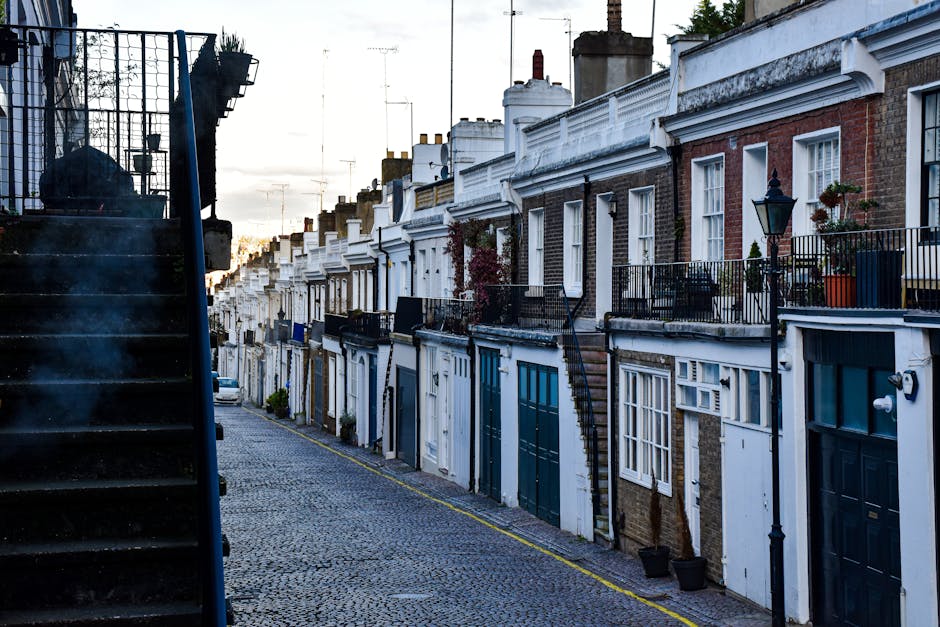
Moving in Campden Hill can feel simple on paper, then suddenly the staircase is tighter than you expected, the front path is awkward, and the van cannot quite get where you hoped. That is exactly why Campden Hill removals day planning for narrow access properties needs a different approach from a standard move. It is not just about carrying boxes. It is about timing, access, parking, team size, protection, and a calm plan that keeps the day moving even if the street is a bit unforgiving.
If you live in a period flat, a converted townhouse, or anywhere with restricted stairwells, low railings, tight gates, or a difficult kerbside stop, the details matter. A good plan can save time, reduce breakages, and make the whole thing feel far less chaotic. Truth be told, narrow access moves are rarely about brute force. They are about judgement.
This guide walks through what matters, how the day should work, common mistakes to avoid, and the practical checks that make a Campden Hill move far less stressful. Whether you are moving a few streets away or out of the area entirely, the goal is the same: get everything out safely, on time, and without that awful feeling that things are slipping away by 10 a.m.
Why Campden Hill removals day planning for narrow access properties Matters
Campden Hill has plenty of attractive homes, but some of them come with access that makes removals day feel like a small logistics puzzle. Narrow hallways, shared entrances, split-level layouts, awkward loading positions, and limited roadside space all affect how long the move takes and how safely items can be handled.
That matters for three big reasons. First, time. A move that should take half a day can stretch if the team has to keep repositioning, waiting for lift access, or carrying awkward items further than expected. Second, safety. Tight corners and steep steps increase the chance of scuffs, slips, and damaged furniture. Third, stress. When people are trying to coordinate cleaners, key handovers, storage runs, and travel plans, any delay can snowball. And yes, it can snowball fast.
In our experience, narrow access properties also create a hidden risk: assumptions. People assume the van will park outside, or the sofa will simply fit, or the mattress will turn on the landing. Then on moving day, someone is doing a very unconvincing sideways shuffle while the rest of the street watches. Better to check everything in advance. A proper plan means fewer surprises and more control.
Key point: in tight-access moves, the prep work before removals day is often more valuable than the lifting itself.
How Campden Hill removals day planning for narrow access properties Works
A well-planned narrow access move starts before the van arrives. The process usually begins with a review of the property layout, access points, parking options, item sizes, and the likely order of loading. From there, the move is shaped around what the property can realistically handle, not what looks easiest on a spreadsheet.
The practical workflow often includes:
- checking the entrance width, stair turns, and any low ceilings or tight landings
- identifying whether large furniture needs partial disassembly
- confirming loading access and the best place for the vehicle to stop
- deciding which items should be loaded first for balance and protection
- protecting floors, bannisters, corners, and doorframes before lifting starts
- setting a realistic time window for packing, carrying, and travel
If the property is particularly awkward, smaller vehicles or a split-load approach can be more sensible than trying to force one large van into a bad position. The same logic applies to lifts and internal routes. Sometimes the shortest route is not the safest route. The safe route is the one that reduces repeated handling and awkward turning.
Another useful point: if you are using storage as part of the move, the day plan should account for that too. Many narrow access moves work better when some items are staged through secure storage or removals and storage, especially if the new property is not fully ready yet. That can take pressure off the schedule and keep everyone from rushing.
Key Benefits and Practical Advantages
Good planning is not just neat and tidy. It changes the whole experience of moving day. Here are the main benefits that matter in real life.
| Benefit | What it means on the day | Why it helps in narrow access properties |
|---|---|---|
| Less delay | The team knows the route and loading order | Reduces stop-start carrying and wasted time |
| Fewer damage risks | Items are measured and protected properly | Narrow corners and stairs are handled more safely |
| Better parking decisions | The vehicle is positioned with access in mind | Shorter carry distances and less congestion |
| Less stress | The day follows a clear sequence | You are not improvising under pressure |
| Lower labour strain | Heavy items are moved efficiently | Fewer unnecessary lifts and awkward turns |
There is also a less obvious benefit: confidence. When you know the plan is realistic, the whole move feels more manageable. You can focus on the basics, like handover times and final checks, rather than worrying whether the wardrobe will get stuck on the landing. That one, by the way, is a classic.
For flats and smaller homes, planning can also reveal whether a lighter service is enough. A lot of people do not need a full-scale operation. Sometimes a small removals service or man and van approach is the better fit, especially if the load is compact but the access is fiddly.
Who This Is For and When It Makes Sense
This kind of planning is especially useful if you are moving from a property with one or more of the following:
- a narrow front entrance or shared hallway
- steep internal stairs or awkward bends
- limited roadside parking or no direct van access
- a basement, top-floor flat, or split-level layout
- large furniture that may need dismantling
- high-value or fragile items that need careful handling
It also makes sense if you are moving at a busy time of year, have a fixed handover window, or are coordinating with landlords, estate agents, or building managers. In those situations, even a small delay can make the day feel messy very quickly.
If you are moving from a flat in Campden Hill into a family house, for example, you might be dealing with both ends of the problem: tight access on departure and a new property that is not yet fully ready. That is where a practical mix of house removals, flat removals, and temporary storage can really help. Not fancy. Just sensible.
This planning also suits people who want to reduce disruption for neighbours. Narrow streets and shared entrances can make a move more noticeable than you might like. A careful schedule keeps things moving and avoids the awkward dance of blocking pathways for too long.
Step-by-Step Guidance
If you want a move to feel orderly rather than frantic, break it into stages. Here is a practical sequence that works well for narrow access properties.
1. Measure the tricky bits first
Measure doors, hallways, stair turns, landings, and anything else that could become a bottleneck. Do not guess. A sofa that looks fine in the sitting room can be a completely different story on the stairwell.
Take note of radiators, banisters, low lights, and awkward protrusions. They are often the little things that cause the snag.
2. Match the van and team to the property
If the street or frontage is tight, a smaller vehicle or a staggered loading plan may be better than one large lorry. The team size should reflect the number of items, the number of stairs, and how much handling is involved. More people is not always better, but too few people on a narrow staircase is asking for a slow day.
3. Decide what needs dismantling
Large beds, wardrobe frames, dining tables, and some shelving often move more safely when partially dismantled. Keep fixings in labelled bags and tape them to the item or put them in a clearly marked box. You will thank yourself later, honestly.
4. Protect the property before the first lift
Use floor coverings, corner protection, and bannister wraps where needed. For older properties in Campden Hill, especially, protect surfaces before any heavy movement starts. A single scrape on a painted wall can be surprisingly noticeable, even if everyone tries to be casual about it.
5. Set the loading order
Load the van in a way that suits both access and the final unloading point. Heavy, stable items usually go in first, then medium items, then fragile boxes and loose items that need easy access. The aim is to minimise shuffling around once everything is already in the van.
6. Build in a time buffer
Always allow for a little slack. A neighbour may be parking awkwardly, a key handover might run late, or an item may turn out to be more awkward than expected. A buffer is not wasted time. It is the thing that stops a small delay becoming a crisis.
7. Keep essentials separate
Pack a bag or box for the first night. That should include chargers, documents, medication, toiletries, snacks, and a change of clothes. Moving day has a way of making even simple things disappear into the fog.
If your move involves business documents or a home office setup, consider whether some items need to travel separately or into document storage or office storage before the main relocation. That can reduce pressure and protect important paperwork.
Expert Tips for Better Results
Here is the part that tends to make the biggest difference. These are the little professional habits that save time and grief.
- Pre-walk the route with the team. A two-minute walk-through often reveals a problem you would otherwise only discover while carrying a mattress at an odd angle.
- Use colour-coded labels. It sounds basic, but in a narrow access move, good labelling speeds up unloading and prevents box chaos.
- Keep fragile loads grouped. Do not scatter delicate boxes through the van if you can avoid it. Keep them together and clearly marked.
- Plan for weather. Rain makes steps slick and cardboard weak. A damp morning can quickly become a clumsy one.
- Think about the destination as well as departure. A tricky entrance at the new property can slow the whole day if it is not checked early.
A small but useful habit: photograph the most awkward parts of the route before the move. That does not solve everything, but it helps people prepare. And to be fair, a quick photo of a tight landing is often worth more than ten minutes of guessing.
If you are moving in stages or need extra room after the load is out, short-term storage can be a very practical bridge. It gives you breathing space when completion dates or decorating schedules do not line up neatly. Which they often do not.
Common Mistakes to Avoid
Narrow access removals are where small oversights become expensive in time, effort, or damage. These are the mistakes we see most often.
Assuming access will be obvious on the day
It rarely is. What looks fine from the pavement can become a problem once the van is parked, the team is carrying, and somebody realises the gate opens inward.
Underestimating furniture size
That corner sofa or king-size bed frame might fit in the room, but still fail at the stair bend. Measure the route, not just the item.
Leaving packing too late
Last-minute packing is hard enough in a normal move. In a narrow property, it turns into a bottleneck because boxes are not ready when the team needs them.
Ignoring parking and loading restrictions
Even a short load-in delay can create pressure if the street is tight. Check the practical parking arrangement early, and if needed, build extra time into the schedule.
Not protecting surfaces
It only takes one bad turn for a wall or bannister to get marked. This is one of those things people regret after the fact, which is never ideal.
Trying to do everything with one plan
Sometimes the first plan needs adjusting. Maybe the wardrobe comes apart easier than expected. Maybe the heaviest items should go first. Flexibility helps, as long as the core plan is still solid.
Tools, Resources and Recommendations
You do not need a warehouse of gear, but the right tools make a narrow access move much smoother. A good removals team will usually have most of this covered, but it helps to know what matters.
- measuring tape for doors, stairwells, furniture, and access points
- furniture blankets and protectors for delicate or polished items
- floor runners or coverings for hallways and entry points
- labels and markers for box sorting
- basic tools for dismantling beds or shelving
- strong tape, stretch wrap, and small bags for fixings
- stacking boxes in a few consistent sizes
It also helps to think about support services. If the move is more complicated than a straight from-A-to-B job, you may want a combination of removals, local removals, and maybe furniture storage if some pieces need to wait for the new layout.
If you are comparing providers, look beyond the headline price. Ask how they handle awkward access, whether they can support dismantling, and how they protect floors and corners. A slightly more thoughtful setup can save you more than a cheaper quote that only works in ideal conditions.
For many people, the best starting point is a clear quote process. You can review pricing and quotes alongside the service details so you understand what is included and where the limits are. That sounds basic, but it prevents misunderstandings later on.
Law, Compliance, Standards, or Best Practice
Moves in London are not only about physical logistics. There are practical compliance and best-practice considerations too, especially when access is tight and shared space is involved.
First, parking and loading need to be handled responsibly. In Campden Hill, as in many parts of London, the safest assumption is that stopping space may be limited and must be planned properly. Do not assume the loading bay, kerb, or entrance will be clear without checking.
Second, moving teams should work with sensible health and safety practices. That means using the right lifting methods, protecting walkways, and avoiding unnecessary strain. A narrow staircase is not the place for shortcuts. It really isn't.
Third, if you are in a flat conversion, mansion block, or managed building, there may be building rules about moving hours, lift protection, noise, or access arrangements. These are usually set by the managing agent or building management rather than by the removals company itself, so it is worth confirming them in advance.
Fourth, if you are storing items, check the terms, insurance arrangements, and access conditions before moving day. If you want a clearer view of those points, it can help to read the site's insurance and safety information, along with the terms and conditions. That keeps expectations realistic and avoids awkward surprises.
Finally, best practice means honest planning. If access is poor, say so. If a large piece probably needs dismantling, admit it early. A straightforward assessment is usually better than optimism that turns into an obstacle course on moving day.
Options, Methods, or Comparison Table
There is no single correct way to manage a narrow-access move in Campden Hill. The right method depends on the size of the load, how difficult the access is, and how much flexibility you have with time.
| Method | Best for | Pros | Trade-offs |
|---|---|---|---|
| Full removals team | Households with larger loads or multiple bulky items | More hands, structured loading, less DIY pressure | Higher cost than minimal options |
| Man and van | Smaller moves or compact flats | Flexible, practical, often quicker to arrange | May need more self-packing or help at both ends |
| Removals with storage | Delayed completion, refurbishment, or staged moving | Creates breathing room and reduces rush | Requires more coordination |
| Small removals | Light to medium loads with difficult access | Often a smart fit for tight staircases and awkward entrances | May not suit very large or multiple-room moves |
For many Campden Hill properties, the most efficient choice is not the largest service, but the most adaptable one. If the access is tight but the volume is modest, a well-run smaller service can be a very good fit. If the access is tight and the volume is large, a more complete removals plan usually makes more sense. Easy to say, harder to guess incorrectly on the day.
Case Study or Real-World Example
Here is a realistic example. A couple living in a first-floor flat near Campden Hill were moving to a nearby house, but the flat had a narrow stairwell, a shared entrance, and a sharp turn on the landing. The largest items included a bed frame, a wardrobe, a sofa, and several fragile boxes packed with kitchenware and books.
Instead of hoping for the best, they measured the awkward points, dismantled the bed and wardrobe in advance, and separated the fragile boxes so they could be loaded last and unloaded first. The team also protected the hallway and used a loading sequence that avoided heavy items being rehandled more than once. The move still took effort, obviously, but it stayed controlled. No drama, no jammed furniture, no last-minute panic.
The useful lesson? Most narrow-access problems are manageable when the route, the item sizes, and the loading plan are considered together. Once one of those is ignored, things get messy fast. But when they line up, even a tricky property can move smoothly enough to feel almost boring. Which, on removals day, is actually a compliment.
Practical Checklist
Use this checklist a few days before removals day, and again the evening before. It is the sort of list that quietly saves the whole move.
- measure doors, stairs, landings, and furniture dimensions
- confirm parking and loading arrangements
- check whether any items need dismantling
- label boxes by room and priority
- pack a first-night essentials bag
- protect floors, corners, and bannisters
- tell the team about awkward access points
- confirm building rules if you are in a managed property
- keep valuables and important documents separate
- allow extra time for delays and handovers
- check whether storage will be needed
- take photos of particularly narrow or awkward areas
Quick expert summary: for narrow access properties, the most important job is not lifting harder. It is planning smarter, measuring properly, and making the route as simple as possible before anybody picks up a box.
Conclusion
Campden Hill removals day planning for narrow access properties is really about reducing friction. Measure the route, choose the right vehicle and team, protect the property, and keep the day organised around the space you actually have. That approach saves time, lowers the risk of damage, and makes the move feel far less stressful for everyone involved.
When access is tight, good decisions are usually small ones made early. A careful plan, a few sensible checks, and a realistic timeline can make the difference between a difficult day and a surprisingly smooth one. And that is often enough.
If you are comparing options or thinking through the logistics now, take the time to look at your move properly before the clock starts ticking. A little preparation goes a long way, and honestly, it is the kind of effort you only ever regret not doing sooner.
Get a free quote today and see how much you can save.
Frequently Asked Questions
What makes Campden Hill removals day harder for narrow access properties?
The main challenges are tight entrances, awkward staircases, limited parking, and the extra handling needed for large furniture. Even a short move can become slow if the route is restrictive.
How early should I plan a narrow access move?
As early as you reasonably can. Ideally, start measuring and checking access once your move date looks likely, not the night before. Early planning gives you room to adjust the packing and loading plan.
Do I need to dismantle furniture for a narrow stairwell?
Often, yes. Large wardrobes, bed frames, and some tables are much easier to move when partially dismantled. If in doubt, measure the route rather than assuming the item will fit as-is.
Is a man and van service enough for a Campden Hill flat move?
Sometimes. If the load is fairly small and the access is the main challenge, a man and van service can be practical. For larger or more complex moves, a fuller removals setup may be better.
How do I know if my property has difficult access?
Look for narrow staircases, sharp corners, limited pavement space, low ceilings, shared hallways, or entrances that make it hard to bring items through cleanly. If you have to turn furniture on its edge, that is usually a clue.
Should I book storage for a narrow access move?
It can help if your completion dates do not line up, if you are decluttering, or if you do not want everything moved in one rush. Storage is especially useful when access is awkward and the schedule is tight.
What should I pack first for moving day?
Start with non-essential items and clearly label everything. Keep a separate essentials box for documents, chargers, toiletries, medication, and a change of clothes so you are not hunting through boxes later.
How do removals teams protect tight hallways and bannisters?
They usually use floor coverings, corner guards, and padding for high-contact areas. Good protection matters more in narrow properties because there is less room to manoeuvre safely.
Will narrow access make the move more expensive?
It can, because it may require more labour, more time, or a different vehicle setup. That said, planning well can reduce unnecessary costs and prevent damage-related problems.
What if parking is difficult near my Campden Hill property?
Then the plan should account for that from the start. It may mean choosing a different vehicle size, allowing extra loading time, or arranging the move around the most practical stopping point.
Can I do a narrow access move myself?
For very small loads, perhaps. But once you have heavy furniture, narrow stairs, or time pressure, professional help is usually the safer and less stressful option.
What is the biggest mistake people make on moving day?
Assuming the property will be easier to work with than it really is. That one assumption can affect parking, timing, packing, and the whole loading sequence. Measure first. It saves a lot of bother.